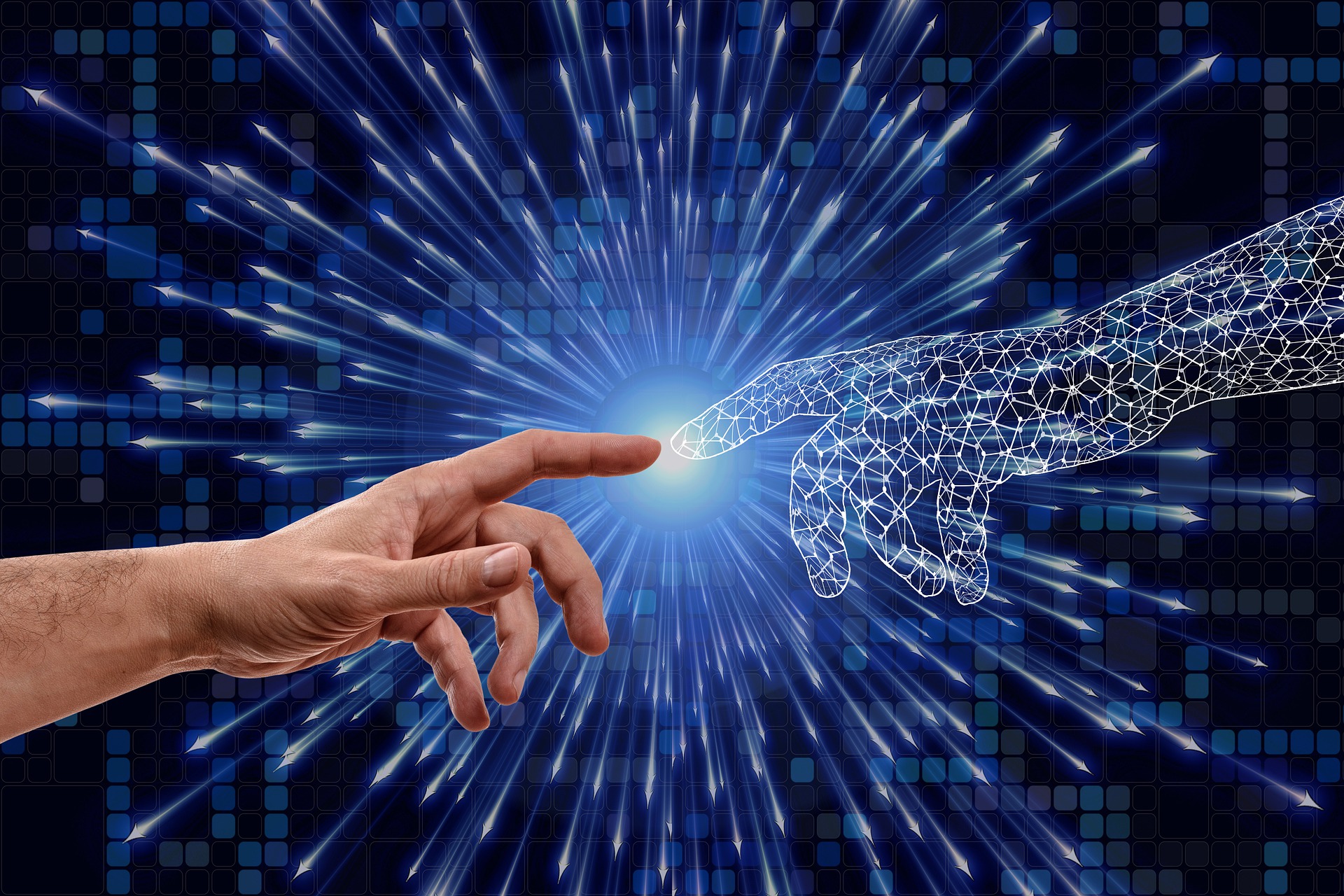
Artificial Intelligence (AI) has emerged as a defining force in modern marketing, fundamentally transforming how brands understand, engage, and convert their audiences. In 2026, AI is no longer an experimental technology — it is an integral component of high-performing marketing strategies.
This article explores how AI is reshaping marketing and why organizations must embrace it to remain competitive in an increasingly data-driven landscape.
The Evolution of Marketing Through AI
Traditional marketing relied heavily on assumptions, manual processes, and broad targeting. AI has replaced these limitations with data-driven precision, enabling marketers to analyze vast datasets, predict outcomes, and automate decisions in real time.
As a result, marketing has shifted from being reactive to proactive and predictive.
Hyper-Personalization at Scale
One of the most significant contributions of AI is its ability to deliver highly personalized customer experiences.
AI systems analyze user behavior, preferences, and interaction history to tailor:
- Product recommendations
- Email campaigns
- Website content
- Digital advertisements
This level of personalization enhances customer engagement and significantly improves conversion rates. Modern consumers expect relevance, and AI makes it possible to deliver it consistently across all touchpoints.
Intelligent Automation and Efficiency
AI-driven automation has streamlined many time-consuming marketing tasks, allowing teams to focus on strategy and creativity.
Key applications include:
- Automated email workflows
- Lead scoring and nurturing
- Campaign optimization
- Social media scheduling
By reducing manual effort, AI not only increases efficiency but also minimizes human error and accelerates campaign execution.
Predictive Analytics and Data-Driven Insights
AI empowers marketers with predictive capabilities that were previously unattainable.
Using historical and real-time data, AI can:
- Forecast customer behavior
- Identify high-value prospects
- Recommend optimal campaign timing
- Predict market trends
These insights enable businesses to make informed decisions, allocate budgets effectively, and maximize return on investment (ROI).
Smarter Advertising and Media Buying
Digital advertising has been revolutionized by AI-powered platforms such as Google Ads and Meta Ads.
AI enhances advertising by:
- Optimizing audience targeting
- Automating bid strategies
- Testing multiple ad variations
- Continuously improving performance
This results in more efficient ad spend and higher campaign effectiveness.
Conversational Marketing with AI
AI-powered chatbots and virtual assistants have transformed customer interactions by enabling real-time, conversational engagement.
These tools can:
- Respond instantly to customer queries
- Guide users through the sales funnel
- Provide personalized recommendations
- Operate 24/7 without interruption
As a result, businesses can deliver seamless customer experiences while reducing operational costs.
AI-Driven Content Creation
AI is increasingly being used to support content creation, from generating blog drafts to producing ad copy and social media content.
While human creativity remains essential, AI enhances productivity by:
- Accelerating content production
- Providing data-backed content suggestions
- Ensuring consistency across platforms
This allows marketing teams to scale their content strategies more effectively.
Data Privacy and Ethical Considerations
As AI relies heavily on data, concerns around privacy and ethical usage have become more prominent.
Organizations must prioritize:
- Transparent data collection practices
- Compliance with privacy regulations
- Responsible AI usage
Building trust is critical, and ethical implementation of AI will be a key differentiator for brands in the coming years.
The Future of AI in Marketing
The role of AI in marketing will continue to expand, with advancements in areas such as:
- Voice and visual search
- AI-generated video content
- Real-time personalization
- Advanced customer journey mapping
Businesses that invest in AI today will be better positioned to adapt to future innovations and maintain a competitive edge.
Conclusion
AI is redefining marketing by enabling smarter decision-making, deeper customer insights, and greater operational efficiency. From personalization and automation to predictive analytics and intelligent advertising, its impact is both profound and far-reaching.
However, the most successful marketing strategies will not rely solely on technology. The true potential of AI lies in its integration with human creativity, strategic thinking, and ethical responsibility.
Leave a Reply